Investigating a defect you may not own
On attached housing the first finding is who is responsible.




In short: How a defect investigation works where common property is involved.
The usual sequence
Establish the element, establish the requirement, establish the gap. On attached housing a fourth step comes first: establish whose element it is.
Why it comes first
Because it decides who receives the report and who is being asked to pay. Getting that wrong costs months.
What tends to be common property
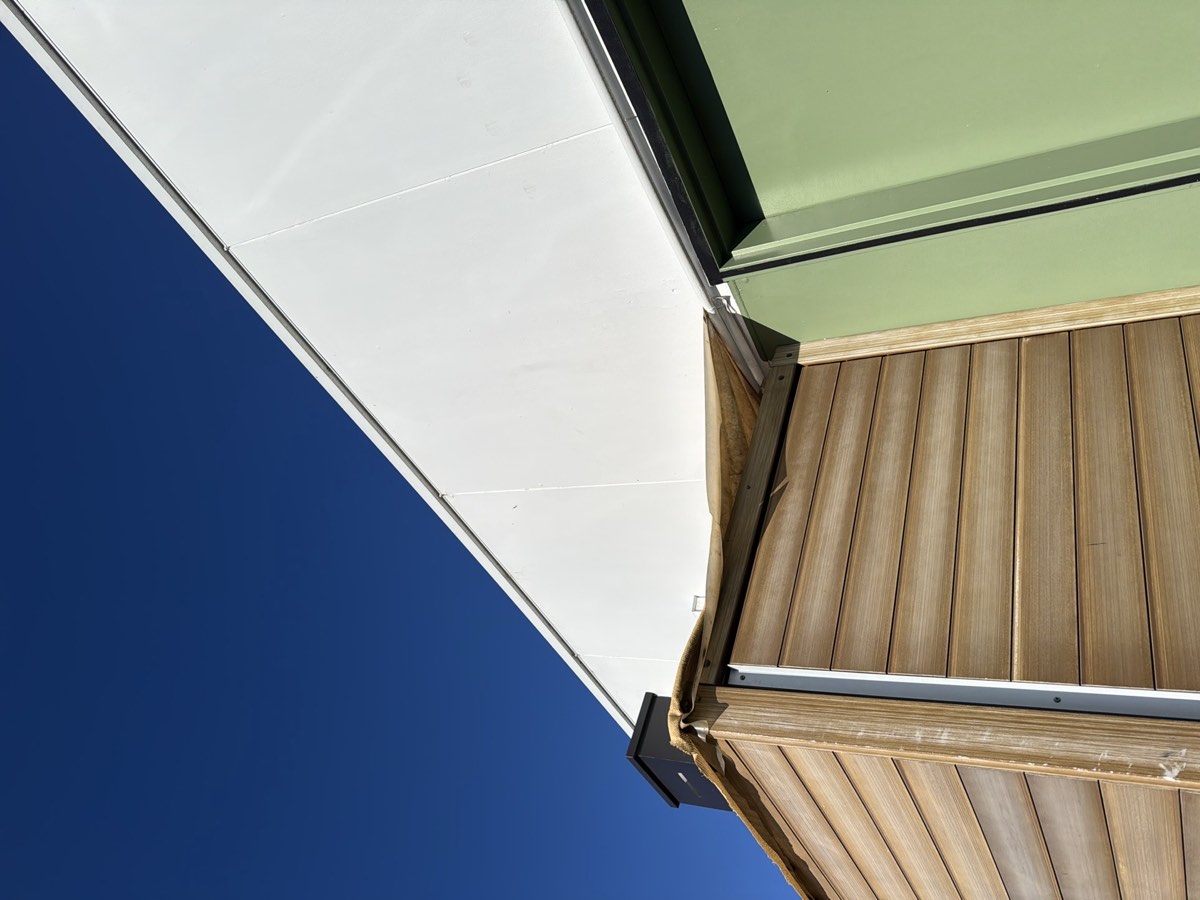
External walls, the roof, party walls and often balconies, even where they are physically part of your home.
What the investigation still does
Records the element as found, measures it against what was required, and states the difference in terms that can be tested.
Where it goes
To your builder, the body corporate or the developer, and to NCAT only if it cannot be resolved before that.
Written by the Owner Inspections team from inspections carried out in Schofields. Licensed building practitioners, NSW Fair Trading licence 366177C.